The first stretch of steady rain can turn a quick trip to the barn into a muddy chore. Gates become harder to open, chickens and goats need dry shelter, and equipment left outside starts showing signs of wear. For farmers and ranchers across Southern Oregon, these everyday challenges can make winter work more demanding.
Getting ahead of these problems starts with a little planning. From protecting livestock and checking fences to gathering the right building materials for repairs, fall farm preparation for Southern Oregon property owners can help keep daily chores manageable through the colder months.
Before the ground becomes saturated and outdoor projects get harder to complete, use this practical checklist to prepare your farm or ranch for the season ahead.
Start With the Areas That Get the Most Use
Before making repairs, take a walk around your property and follow the same routes you use every day. Start at the house, then head toward the barn, livestock shelters, and feeding areas. Check gates, fences, and water access points for anything that could become a problem once the rain arrives.
Pay attention to low spots where water collected last winter, especially near equipment storage, driveways, and areas where vehicles regularly travel. Across the Rogue Valley, wet soil can quickly turn these busy spaces into muddy obstacles.
Think back to last winter. Was there a gate that kept sticking or a path that became difficult to cross? Those trouble spots deserve attention first.
Write down what needs fixing and prioritize the most urgent projects. A little work now can save you plenty of frustration when winter weather makes repairs harder.
Your Fall Farm & Ranch Checklist Before Winter
Once you've identified the trouble spots around your property, it's time to tackle the repairs and preparations that will make winter chores easier. Use this checklist to keep your livestock, equipment, and working areas in good shape as colder, wetter weather approaches.
1. Walk your fence lines and test every gate
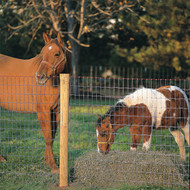
A weak fence can quickly become a bigger problem when livestock discover it before you do. Walk your fence lines and check for leaning posts, rotting wood, loose wire, damaged mesh, and broken connections.
Open and close every gate to catch sagging hinges, dragging edges, or faulty latches. If you use electric fencing, inspect the components and test the system according to the manufacturer's safety instructions. Clear weeds and overgrown plants that interfere with fence lines or gate movement.
It's easier to replace posts and secure loose fencing before autumn rain softens the ground. At Farmer's Building Supply, we carry fence posts, fencing wire, gates, hardware, and tools to help with these repairs.
2. Prepare barns and livestock shelters for wet weather
Your animals need somewhere dry and protected when winter weather arrives. Inspect barns, sheds, and livestock shelters for roof leaks, damaged boards, loose panels, and openings that allow wind-driven rain inside.
Test doors and latches, then check bedding areas for moisture buildup. Replace wet bedding and address drainage problems that keep floors damp. Good ventilation is also important, but avoid exposing animals to direct drafts.
Different animals have different shelter needs. Chickens need dry, ventilated coops, while goats and sheep require suitable protection from prolonged rain and cold.
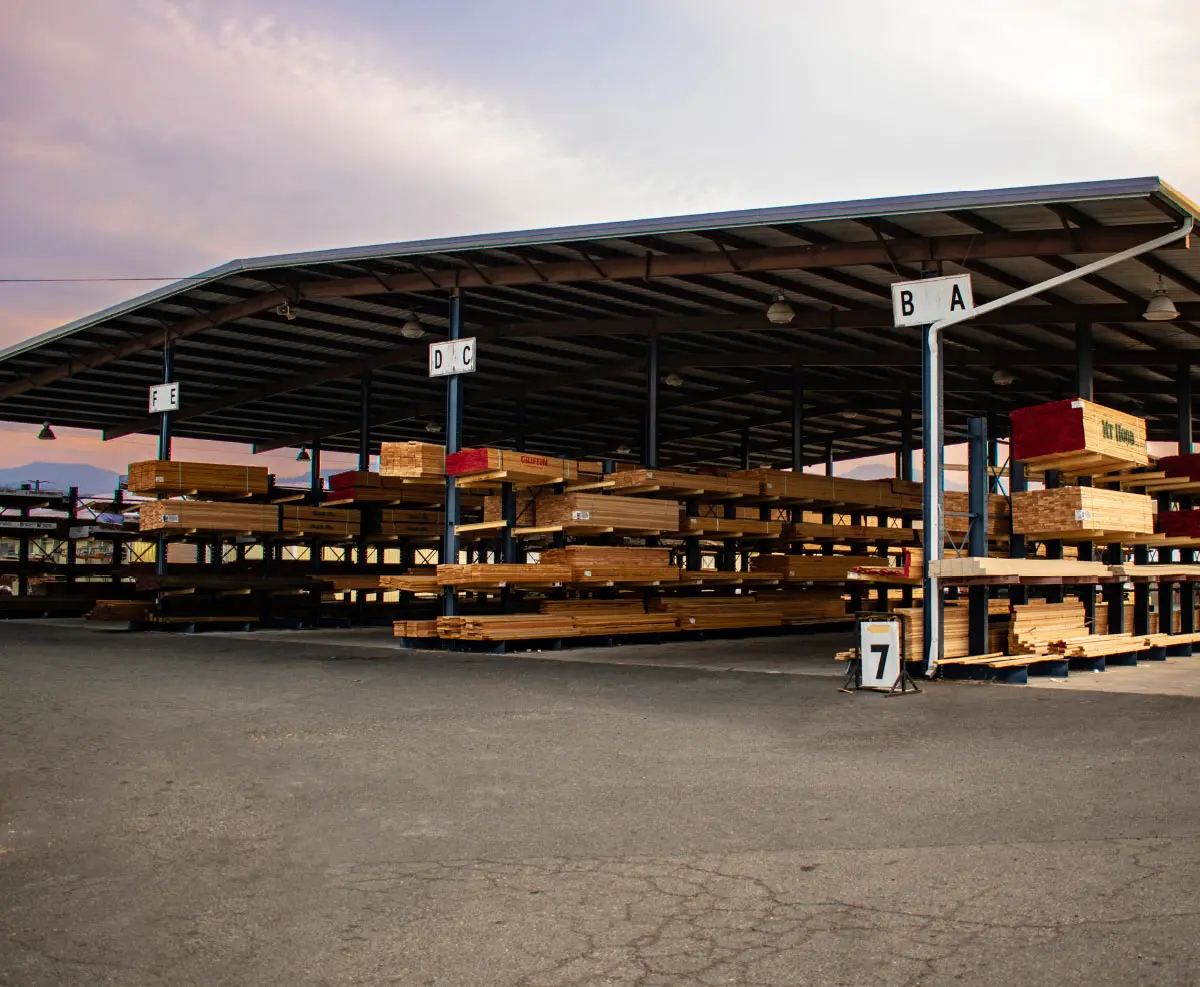
You don't need an elaborate barn to provide reliable shelter. Often, replacing damaged lumber, securing loose panels, and adding fresh bedding can make existing spaces more comfortable. We offer lumber, plywood, building hardware, and animal bedding for these projects.
3. Keep livestock water available when temperatures drop
A frozen water line can disrupt your entire morning when animals depend on it. Before freezing weather arrives, inspect troughs, water lines, valves, hoses, and fittings for leaks or damage.
Test automatic watering systems to make sure they fill properly. Protect exposed pipes with suitable insulation and consider approved freeze-protection equipment where necessary. Any electrical equipment near water should be properly rated and safely installed.
It's also worth having a backup water supply plan in case a storm causes an outage or freezes your regular system.
Even when pasture growth slows, livestock still need consistent access to clean drinking water. Check supplies before winter so you aren't searching for replacement fittings during a cold morning. Our plumbing and farm supply selections can help with routine watering system maintenance.
4. Plan ahead for muddy pastures and high-traffic areas
A little mud is unavoidable on a Southern Oregon farm, but deep, persistent mud can make daily chores difficult and create unhealthy conditions for livestock.
Start by identifying low spots near gates, feeding stations, troughs, and barn entrances. These areas often take the most abuse during wet weather.
Consider creating a designated overwinter area where animals can stay when pastures become saturated. Suitable gravel, footing materials, and properly designed drainage can help improve high-traffic spaces. Keep manure and contaminated runoff away from streams and other waterways.
Limit unnecessary equipment traffic and grazing on saturated soil to reduce compaction and protect pasture growth for next spring.
You may not eliminate every muddy patch, but addressing the worst areas early can make feeding, watering, and moving animals much easier throughout winter.
5. Check feed supplies and protect hay from moisture
Running short of feed during a winter storm is a headache you can avoid with early planning. Take stock of your hay, grain, and other feed supplies, then estimate what your animals will need through the colder months.
Feed requirements vary depending on the species, age, and condition of your livestock. Consult your veterinarian or livestock nutrition professional if you're unsure how much to store.
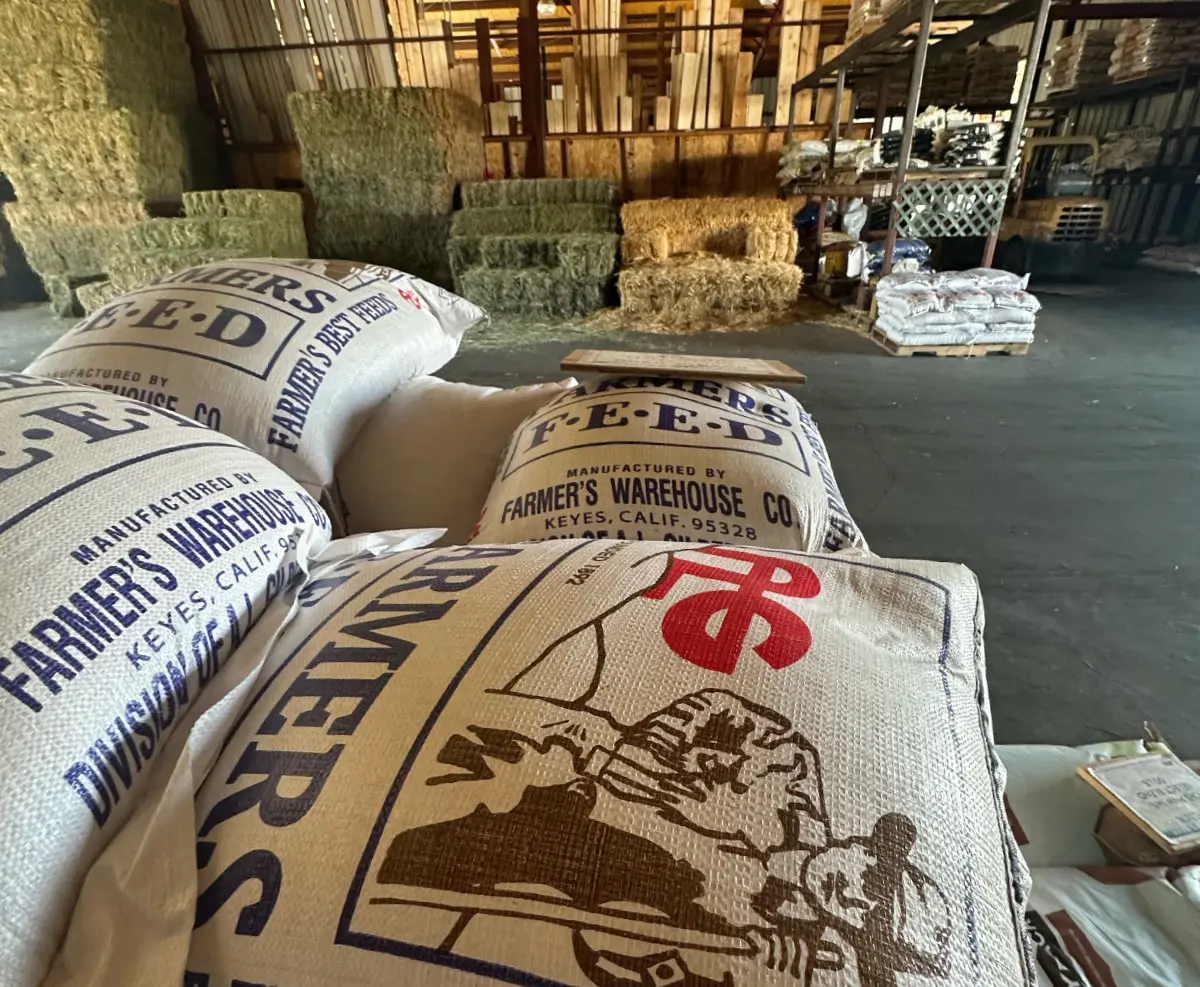
Inspect existing hay for mold, dampness, or spoilage. Keep hay in a dry, ventilated storage area, protected from rain and ground moisture. Check feed containers for secure lids and signs of rodents.
Organize buckets, tubs, and feeders where you can reach them easily during bad weather.
(At Farmer's Building Supply, we offer livestock feed, baled hay, feeders, and other farm essentials to help you prepare before supplies become urgent.)
6. Service equipment and organize winter tools
After a busy summer of harvest, garden work, and property maintenance, equipment often needs attention before winter.
Check tractors, utility vehicles, and trailers for worn tires, weak batteries, damaged lights, and fluid levels. Follow manufacturer recommendations for maintenance and cold-weather storage.
Clean tools used during summer and store them somewhere dry. Inspect chains, cables, and frequently used hardware for wear, and replace damaged items before they're needed.
Keep your essential winter tools organized near your work area. A basic repair kit with common fasteners, hand tools, and spare gate hardware can save time when something breaks during a storm.
Our selection of tools, hardware, chains, cables, and storage supplies can help you stay organized and keep equipment ready for the work ahead.
Don't Overlook Access Roads and Emergency Planning
Even a well-maintained barn or pasture becomes difficult to manage when you can't reach it safely. Before winter storms arrive, inspect farm driveways, access roads, and paths for deep ruts, standing water, or blocked drainage.
Pay attention to routes leading to livestock shelters, gates, and feeding areas. Keep these paths clear and passable for daily chores, deliveries, and emergency vehicles. If your property covers several acres, prioritize the routes you use most often.
Secure loose lumber, equipment, and other outdoor materials before strong winds arrive. Power outages can also happen during severe weather, so prepare safe backup lighting and a reliable way to provide water for your animals.
Keep emergency supplies, veterinary contacts, and important phone numbers somewhere accessible. A little preparation now can help you manage unexpected problems without putting your livestock or property at unnecessary risk.
Make a Weekend Plan Before Winter Arrives
Preparing your farm for winter doesn't have to take over your entire schedule. Breaking larger projects into a few weekends makes the work easier to manage, especially when you're balancing livestock care and everyday farm responsibilities.
- First weekend: Address safety and livestock needs. Repair damaged fencing, secure unsafe gates, check animal shelters, and make sure water systems work reliably.
- Second weekend: Get ahead of wet conditions. Improve muddy high-traffic areas, clear drainage paths, and organize feed storage before heavy rain arrives.
- Third weekend: Organize and stock up. Service equipment, replace worn tools, replenish essential supplies, and prepare emergency materials.
Use this schedule as a starting point, not a strict deadline. If a storm is approaching or your animals face an immediate safety concern, adjust your priorities. Getting the most urgent work done first will make the rest of your winter preparation more manageable.
Keep Your Farm Ready With Farmer's Building Supply
Keeping a farm or ranch running through winter takes regular upkeep, dependable materials, and a little planning. Having the right supplies on hand can make everything from fixing a broken gate to preparing livestock shelters much easier.
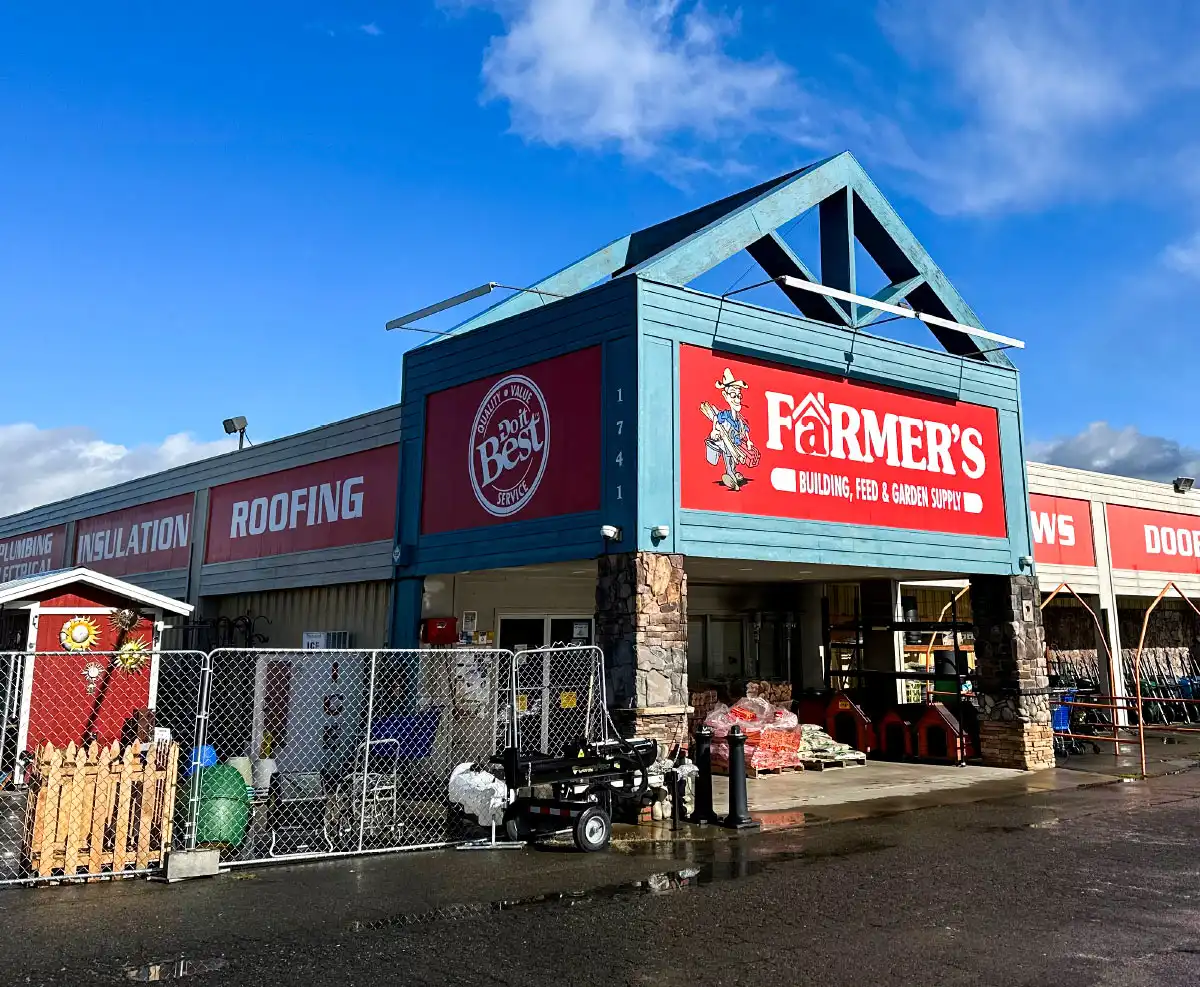
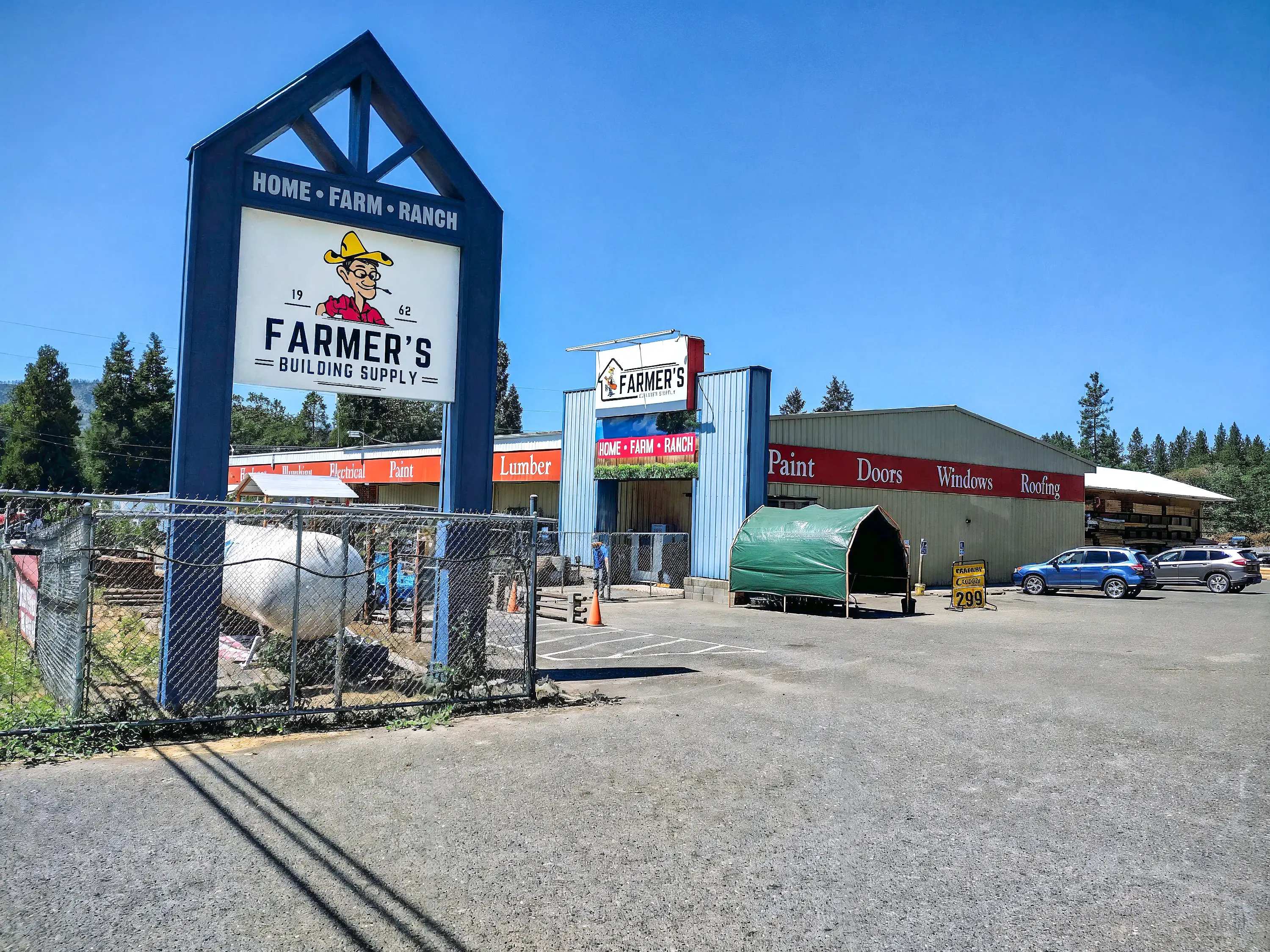
At Farmer's Building Supply, we've been serving Southern Oregon's agricultural community since 1962. Our roots began with supplying fencing and fence posts to local farmers, and we're proud to continue supporting rural property owners today.
We carry fencing materials, gate hardware, livestock feed, barn supplies, tools, and building materials for projects of all sizes. Our knowledgeable team can help you choose practical products for your property's needs.
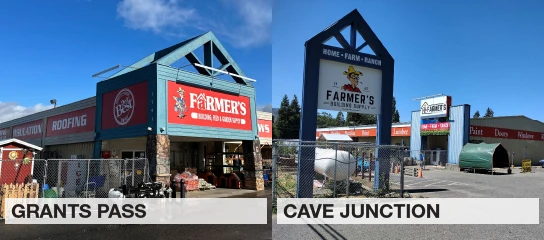
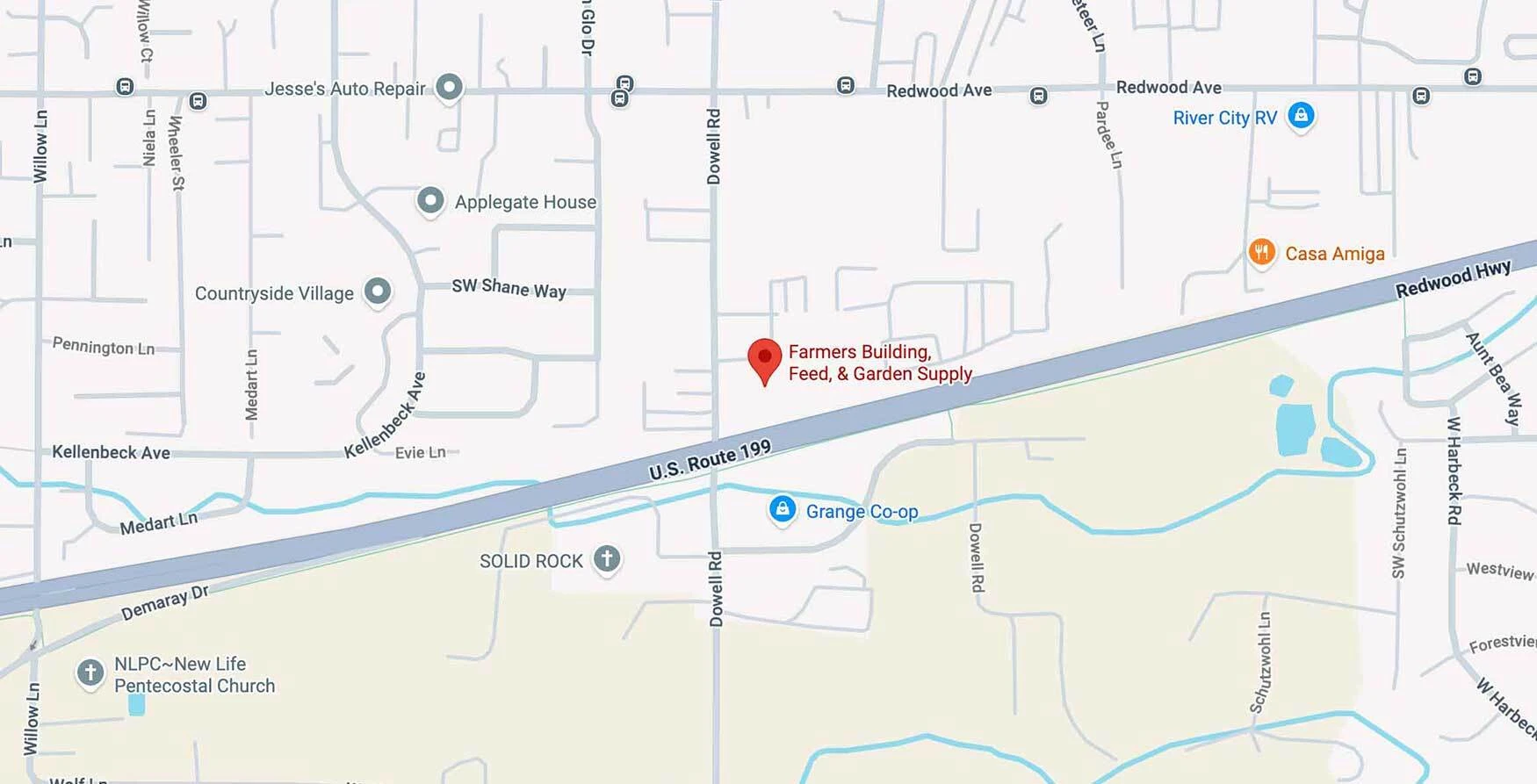
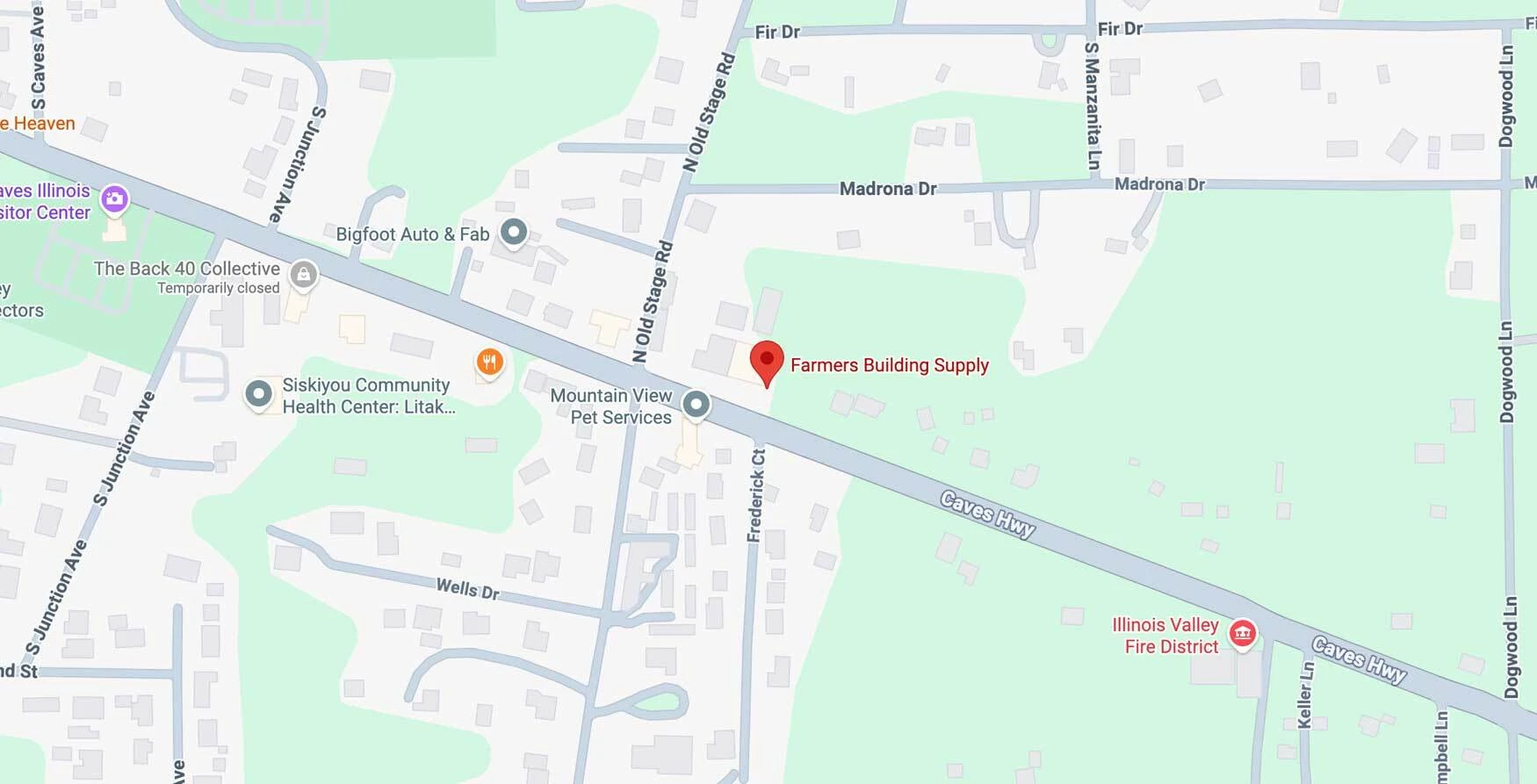
Have a fence to repair, a barn to prepare, or supplies to stock before winter? Bring your project list to our Grants Pass or Cave Junction location, or explore our website to see how we can help.
Frequently Asked Questions
When should Rogue Valley farmers start preparing for winter?
Early fall is a good time to begin winter preparations in the Rogue Valley, before steady rain makes outdoor work more difficult. Start by inspecting fences, checking livestock shelters, and identifying drainage problems. Completing repairs while the ground is relatively dry can make winter farm maintenance easier.
What should Josephine County farm owners check before winter?
Farm owners in Josephine County should inspect fencing, gates, barns, livestock watering systems, and high-traffic areas. It's also important to check feed supplies, protect stored hay from moisture, and prepare equipment for colder weather. Addressing these areas early helps keep daily farm operations running smoothly.
How can I protect my livestock during Southern Oregon winters?
Provide dry, well-ventilated shelter, reliable access to clean water, and appropriate feed throughout winter. Check barns for leaks, replace damp bedding, and protect exposed water lines from freezing. Pay special attention to muddy areas where animals gather, as prolonged wet conditions can affect their health and comfort.
What supplies should I keep on hand for winter farm maintenance?
Keep basic fencing materials, gate hardware, plumbing fittings, animal bedding, feed, and essential repair tools readily available. Having spare fasteners, hoses, and other commonly used supplies can help you handle unexpected problems. Farmer's Building Supply offers a variety of farm and building materials at our Grants Pass and Cave Junction locations.