
Cooler mornings, falling leaves, and the return of rainy weather are familiar signs that winter is approaching in Southern Oregon.
While the changing season brings a welcome break from summer heat, it also means your home needs some attention. Clogged gutters, drafty doors, and exposed pipes might seem like small problems now, but they can lead to water damage, heat loss, and expensive repairs once colder weather arrives.
Getting started with fall home maintenance Southern Oregon homeowners can rely on doesn't have to be complicated. With a few basic tools, the right building supplies, and a little time, you can prepare your property for the months ahead. Here's a practical checklist of what to inspect, repair, and protect before winter sets in.
Why Fall Home Maintenance Matters in Southern Oregon
Southern Oregon's dry summers give way to a rainy season that can put your home to the test. As temperatures drop, heavy rain, strong winds, and occasional freezing weather can expose problems that went unnoticed during warmer months.
Missing or loose shingles, clogged gutters, and cracks around window frames can allow moisture and cold air into your house. Pine needles and debris from nearby trees can also block downspouts, causing water to collect near your foundation. Even small air leaks can make your heating system work harder throughout winter.
Taking care of these issues early helps you avoid costly surprises when storms arrive. September and early fall are good times to walk around your property, inspect the roof, check exterior trim, and clear drainage areas. You'll have more time to tackle repairs before wet weather makes outdoor projects difficult.
Your Fall Home Maintenance Checklist Before Winter
Getting your house ready for winter is easier when you break the work into smaller tasks. This fall home maintenance checklist covers six areas worth checking before Southern Oregon's rainy season brings colder temperatures and stronger storms.
1. Inspect your roof and clear the gutters
Your roof takes the brunt of winter weather, so start with a roof inspection from the ground. Look for missing or loose shingles, damaged flashing, and signs of wear. Moss can also trap moisture against roofing materials, so address visible growth using methods appropriate for your roof.
Next, clean gutters and downspouts to remove leaves, pine needles, and other debris. Clogged gutters can overflow during heavy rain, allowing water to run down exterior walls or collect near your foundation.
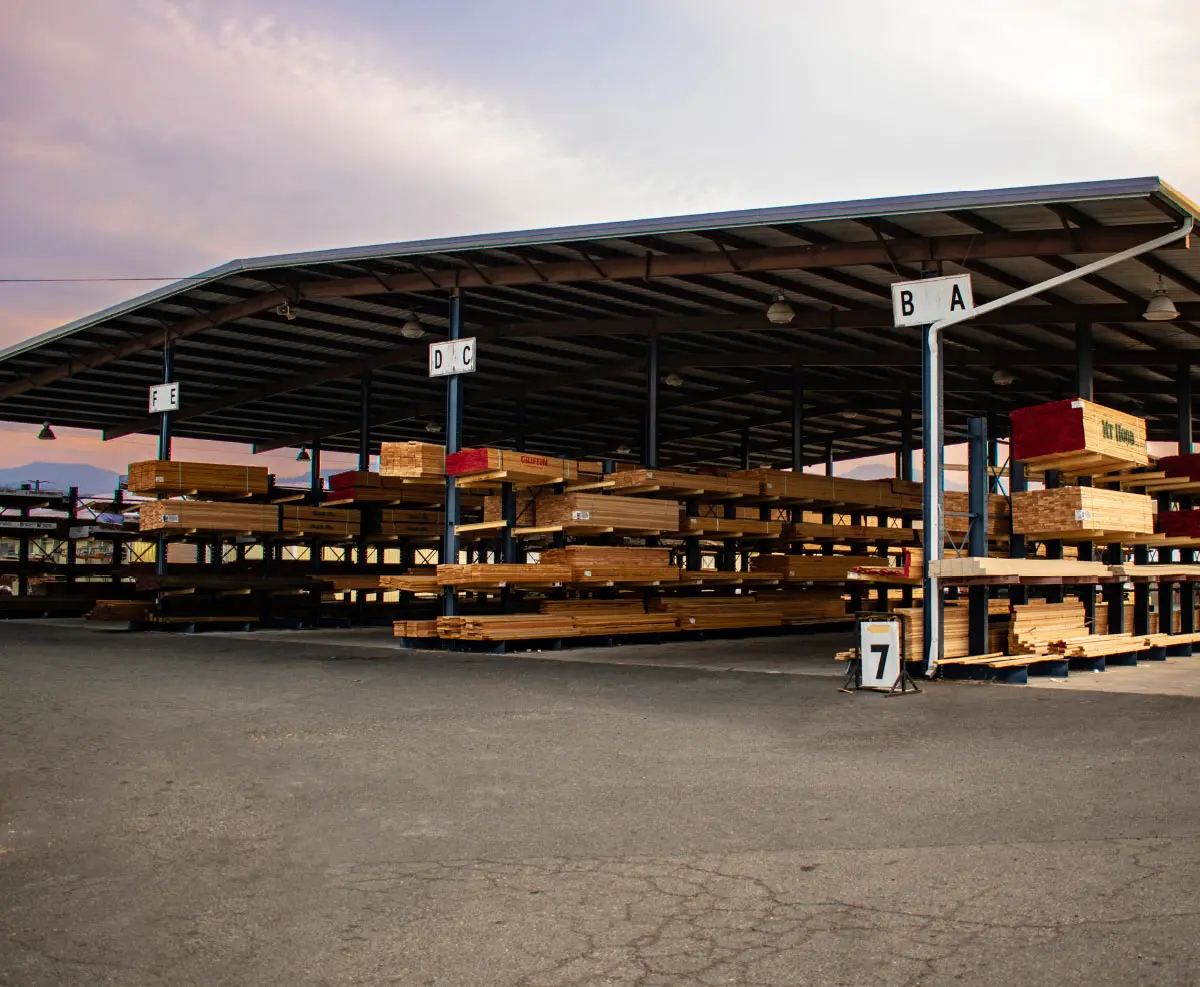
Make sure downspouts direct water away from the house. You'll find roofing materials, gutter supplies, and cleaning tools at Farmer's Building Supply for routine maintenance and repairs.
For steep roofs, significant damage, or work requiring elevated access, seek expert assistance rather than risking a fall.
2. Seal drafts around windows and doors
Cold air can enter through surprisingly small openings around windows and doors. Check window frames, exterior trim, and door edges for cracked caulk, worn weatherstripping, or visible gaps.
On a windy day, you may notice drafts around these areas. Replacing damaged weatherstripping, applying exterior-grade caulk where appropriate, and installing door sweeps can help keep warm air inside.
Pay attention to windows or doors that stick, have rotting frames, or show moisture damage. These may need more than a quick sealant repair.
At Farmer's Building Supply, we carry windows, doors, sealants, and hardware to help with weatherproofing projects, from simple fixes to larger replacements.
3. Protect outdoor faucets and exposed pipes
Freezing temperatures can cause water inside exposed pipes to expand, potentially leading to cracks or bursts. Before the first freeze, disconnect garden hoses, drain them, and store them somewhere protected.
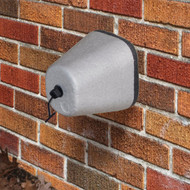
Check outdoor faucets and plumbing in unheated spaces, including garages, crawlspaces, and basements. Install insulated faucet covers where appropriate and wrap vulnerable pipes with suitable insulation.
If you have an irrigation system, follow the manufacturer's winterization instructions to remove water from components that could freeze.
Don't forget to inspect hose connections for leaks or damage. Our plumbing supplies and irrigation materials can help you tackle these smaller projects before cold weather arrives.
4. Check exterior walls, siding, and foundations
Rain can find its way through small openings in your home's exterior. Walk around the house and inspect siding, exterior walls, and trim for cracks, peeling paint, loose materials, or deteriorating sealant.
Pay particular attention to areas around vents, pipes, and other openings. Repair damaged siding and seal appropriate gaps before moisture gets inside.
Next, examine your foundation for cracks and signs of water pooling. Check that landscaping slopes away from the house, and that drainage channels remain clear.
Look at driveways, decks, and nearby walkways for damaged surfaces or drainage problems. If you notice significant foundation cracks or recurring water intrusion, arrange a professional inspection.
For smaller repairs, we offer exterior sealants, patching materials, and other building supplies to help maintain your home's protective surfaces.
5. Prepare your heating system and check insulation
Your heating system works harder when winter temperatures arrive. Schedule professional servicing before regular use to catch potential problems early.
Check HVAC filters and replace them according to the manufacturer's recommendations. Clean filters support airflow and indoor air quality, while blocked filters can make heating less efficient.
Inspect accessible attic and crawlspace insulation for gaps, damp spots, or displaced materials. Proper insulation and air sealing help maintain comfortable indoor temperatures and reduce heat loss.
If your home has a fireplace or wood stove, arrange for chimney cleaning and inspection to reduce the risk of chimney fires. Test smoke and carbon monoxide alarms, and replace batteries when needed.
We carry insulation and weatherproofing materials that can help with projects identified during your inspection.
6. Clean up trees, leaves, and outdoor areas
Southern Oregon's trees provide welcome shade in summer, but falling leaves and branches create extra work before winter.
Clear leaves, pine needles, and debris from your yard, walkways, deck, and drainage areas. Remove moss from slippery outdoor surfaces using a method suitable for the material.
Inspect nearby trees for dead limbs and overhanging branches that could damage your roof, gutters, or siding during a storm. Large branches and hazardous trees should be handled by qualified professionals.
Check deck boards, steps, and railings for loose fasteners or damaged wood. Secure minor problems before wet conditions make surfaces more hazardous.
Keeping vegetation and debris away from your house also supports year-round wildfire preparedness, an important consideration throughout Southern Oregon.
At Farmer's Building Supply, our lawn and garden tools, hardware, and outdoor maintenance supplies can help you keep your property in good shape through the changing seasons.
What to Tackle First If You Have Limited Time
You don't need to finish every maintenance project in one weekend. Focus on the tasks that protect your home from the most immediate weather risks.
- Before the next heavy rain: Clear gutters, check downspouts and drainage areas, and repair visible exterior leaks to prevent water damage.
- Before freezing temperatures: Disconnect garden hoses, insulate exposed pipes, and winterize irrigation systems to avoid costly plumbing repairs.
- Before regular heating use: Replace dirty HVAC filters, schedule heating system servicing, and seal noticeable drafts around windows and doors.
- When time allows: Handle minor siding repairs, clear outdoor debris, secure loose railings, and plan larger home improvement projects.
Some problems shouldn't wait. Active leaks, electrical hazards, and serious structural damage require prompt professional attention. Prioritizing these issues helps you protect your property without feeling pressured to tackle everything at once.
Find Your Fall Maintenance Supplies at Farmer's Building Supply
Preparing your home for winter doesn't always mean taking on a major renovation. Often, it's the smaller projects, like sealing drafty windows, repairing loose siding, or protecting outdoor pipes, that make a difference when colder weather arrives.
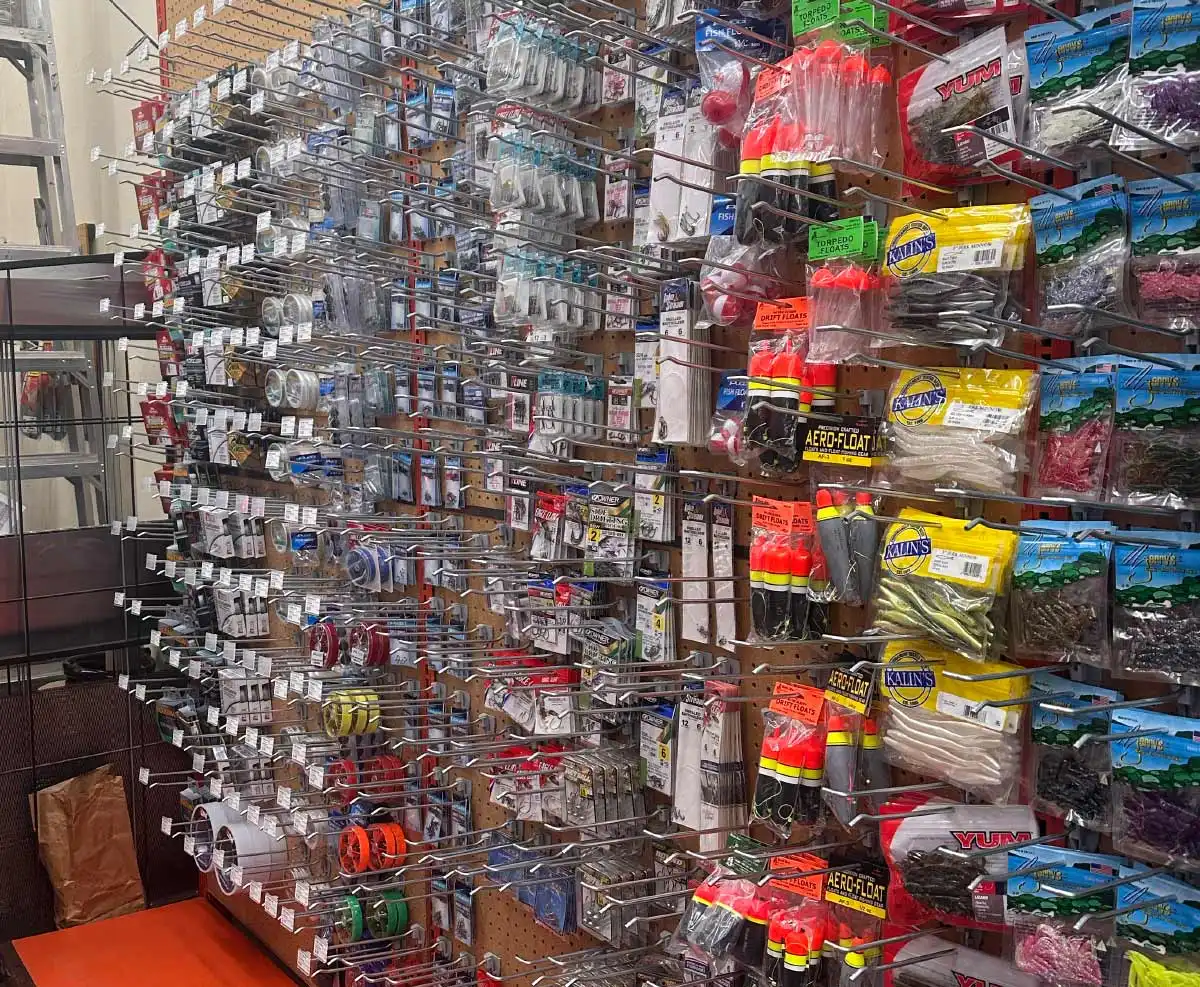
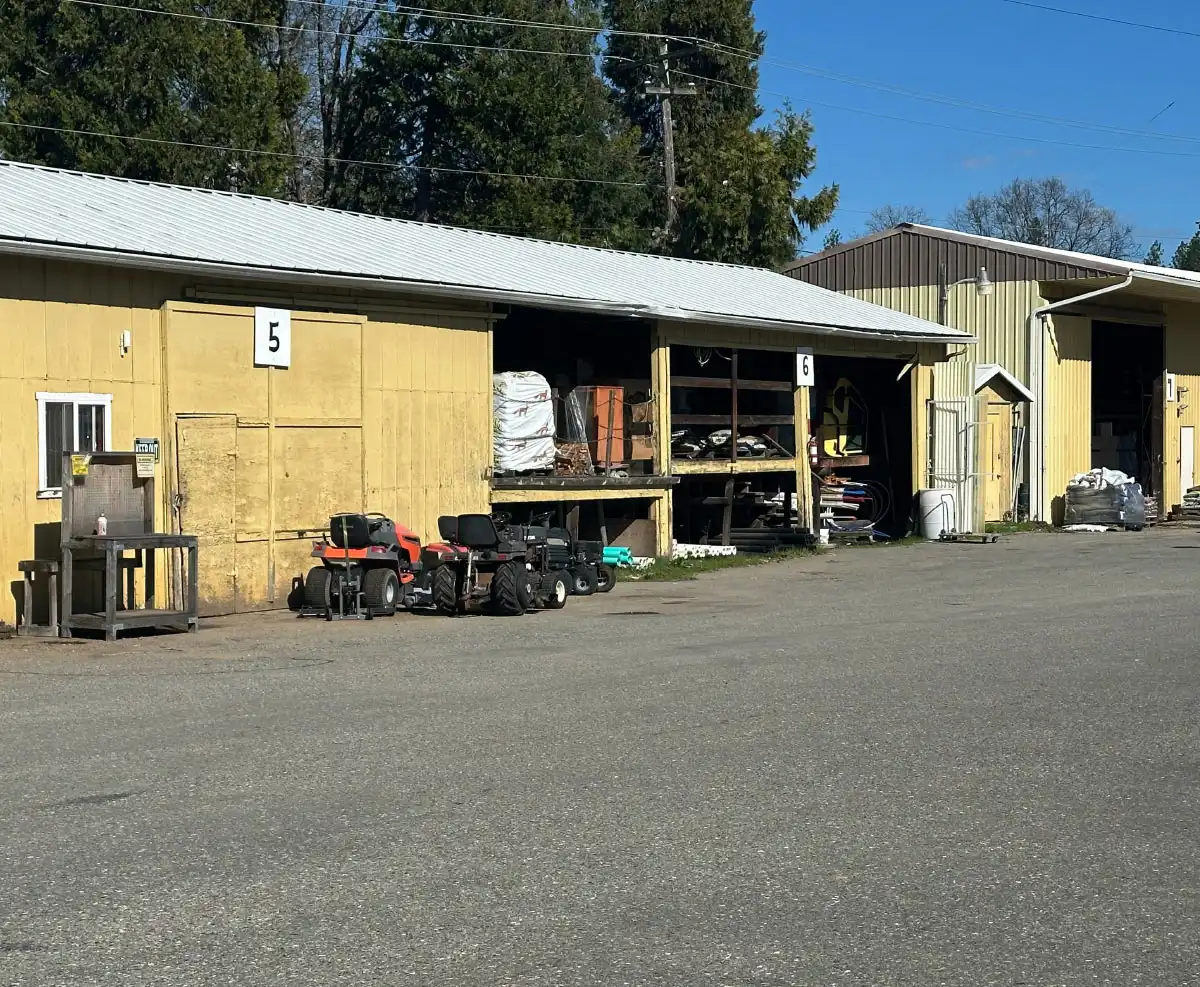
At Farmer's Building Supply, we make it easier to get those projects done. We offer a wide selection of building materials, hardware, plumbing supplies, insulation, tools, and lawn and garden products to help you maintain your home throughout the season.
Not sure which materials your project needs? Our knowledgeable team is here to answer questions, offer practical recommendations, and help you find the right supplies for the job.
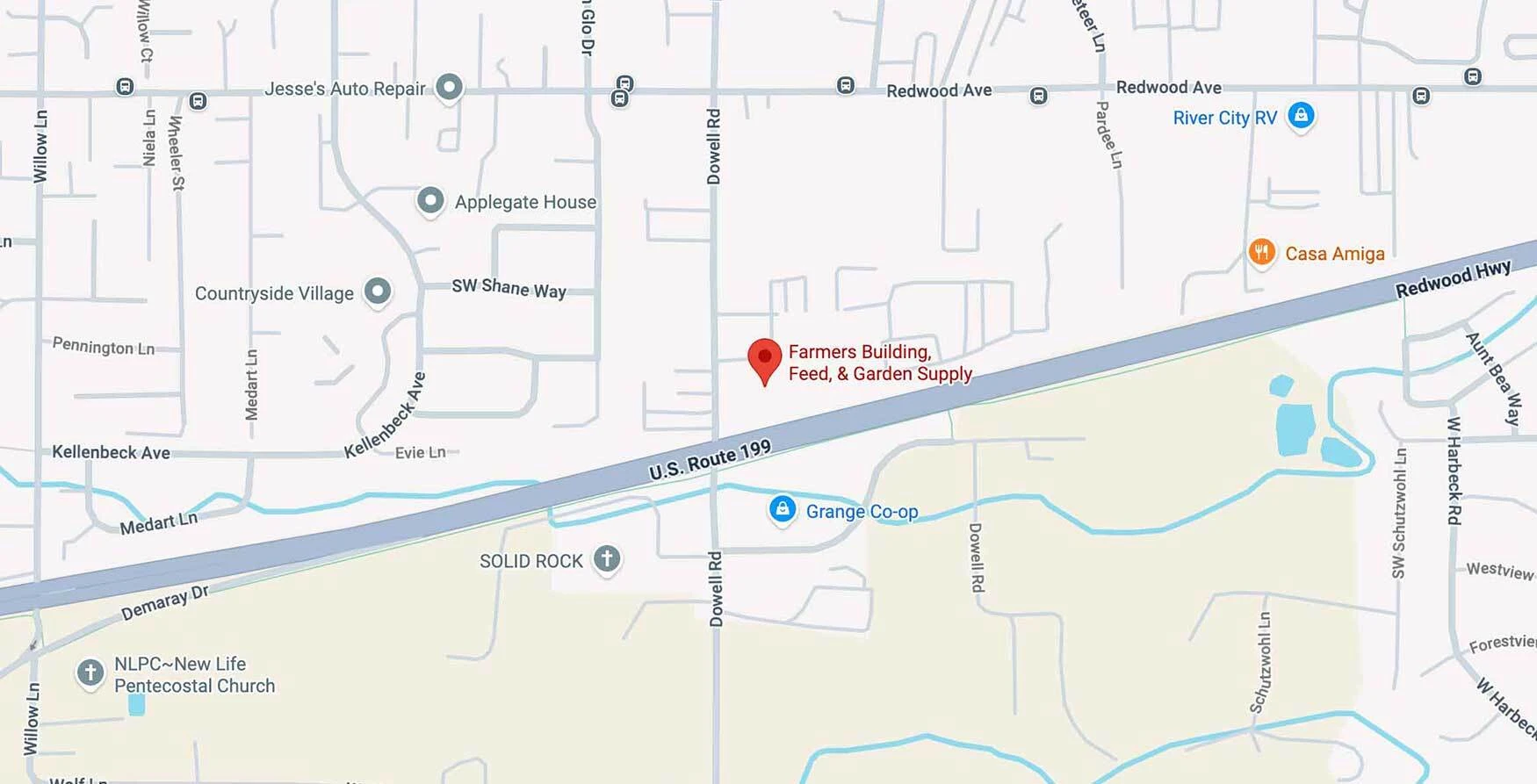
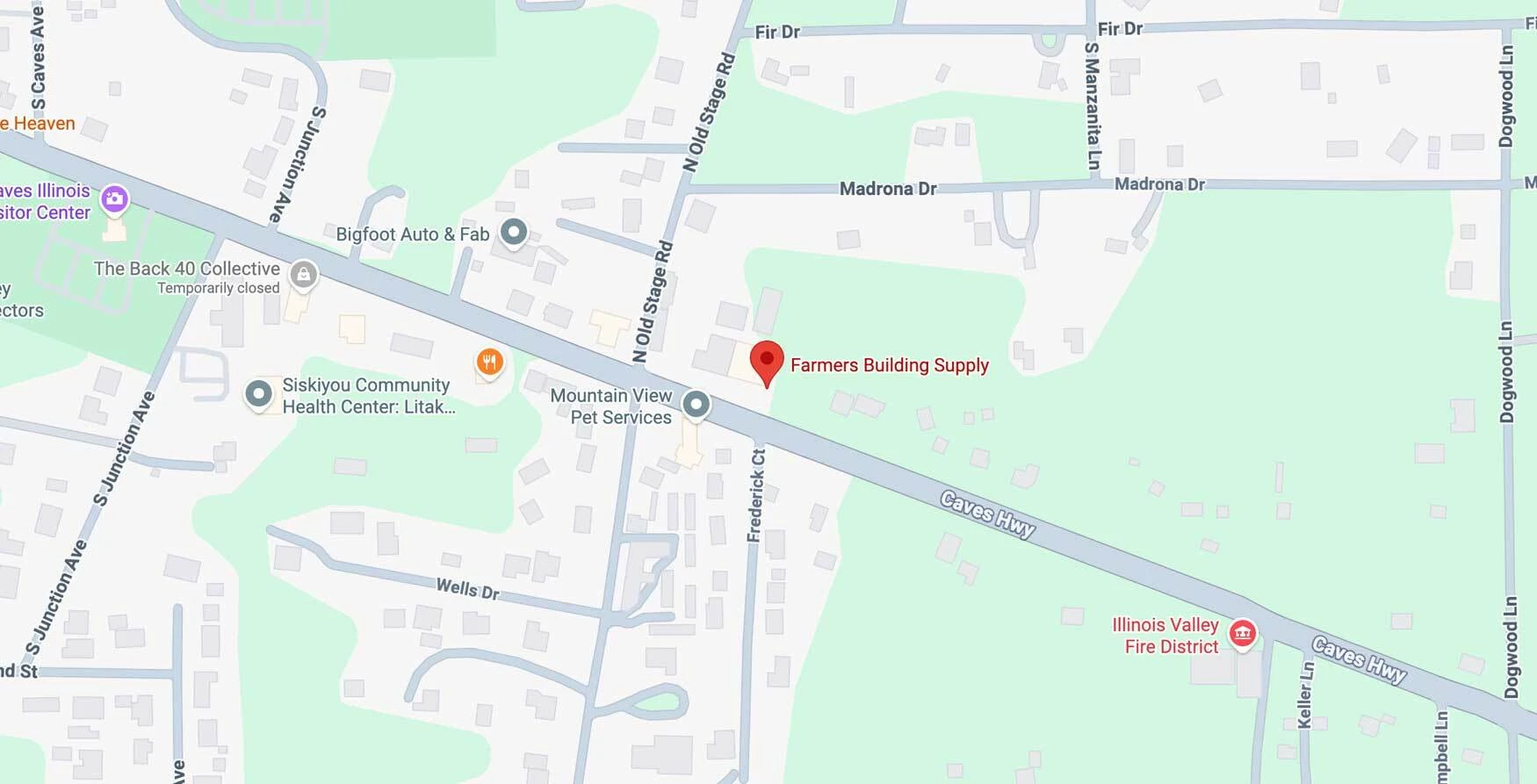
Bring your fall maintenance checklist to our Grants Pass or Cave Junction location, and we'll help you get started before winter weather settles in.
Frequently Asked Questions
How can I prepare my home for Southern Oregon's rainy season?
Start by checking your roof, gutters, and downspouts for damage or blockages. Seal gaps around windows and doors, inspect exterior siding for cracks, and make sure water drains away from your foundation. Completing these tasks before the rainy season can help prevent moisture problems and costly repairs.
How often should I clean gutters during the fall?
You should clean gutters at least twice a year, typically in spring and fall. If your home is surrounded by trees, you may need to clean them more frequently as leaves and pine needles accumulate. Check gutters after major storms to ensure water can flow freely through the downspouts.
Why is a roof inspection important before winter?
A roof inspection helps identify missing shingles, damaged flashing, moss growth, and other problems that could allow water into your home. Catching these issues early gives you time to arrange repairs before heavy rain and freezing temperatures make roof damage worse.
What fall home maintenance tasks can homeowners handle themselves?
Many homeowners can replace weatherstripping, seal small gaps, disconnect garden hoses, clear ground-level debris, and check outdoor drainage. More complicated work, including major roof repairs, electrical problems, and hazardous tree removal, should be left to qualified professionals.