

The first heavy rain of the season can reveal problems that went unnoticed all summer, from clogged gutters to drafty doors and small roof leaks. In Southern Oregon, wet weather, falling temperatures, and occasional freezing conditions can turn these minor issues into costly repairs.
A winter home maintenance checklist helps you spot trouble areas and take care of them before the weather gets worse. With a few basic tools and the right building supplies, you can tackle many preventive tasks around your home.
Start by checking exterior drainage, sealing drafts, protecting plumbing, inspecting your heating system, and gathering essential maintenance supplies.
Start at the Roofline: Gutters, Shingles, and Drainage
Your roof and gutters take the brunt of Southern Oregon's winter weather. Checking them before the rainy season picks up can help prevent water damage and expensive repairs.
Clear gutters before heavy rain
Fallen leaves, twigs, and other debris can clog gutters, causing rainwater to overflow onto siding and collect near your foundation. Remove buildup from accessible gutters and check downspouts for blockages. Make sure water flows freely and drains away from your home's foundation rather than pooling nearby.
Look for roof damage from the ground
You don't need to climb onto your roof to spot potential problems. From a safe location on the ground, look for missing shingles, damaged flashing, sagging gutters, or visible signs of deterioration.
If you notice damage or suspect a leak, arrange a professional inspection. Roofing work can be dangerous, especially when surfaces are wet or slippery. Addressing these issues early helps keep rainwater outside where it belongs.
Find the Drafts Around Windows and Doors
Once you've checked the roofline, turn your attention to windows and doors. Small air leaks can let cold air inside and allow warm air to escape, making your home less comfortable during the winter months.
Inspect weatherstripping and door sweeps
Close each exterior door and check for visible gaps around the edges. Run your hand near the frame to feel for drafts, and look for cracked, flattened, or damaged seals.
Replacing worn weatherstripping can help prevent drafts. If cold air enters beneath a door, installing a properly fitted door sweep may solve the problem.
Seal small openings with the right caulk
Inspect joints around window and door frames for cracks or separated caulking. Choose an exterior-rated caulk suited to the surface, moisture exposure, and application temperature.
Caulk works well for minor gaps, but rotting wood, loose frames, or significant deterioration may require more extensive repairs.
Check Insulation Before Turning Up the Thermostat
Sealing drafts around windows and doors is a good start, but warm air can also escape through poorly insulated areas of your home. Gaps in attic insulation and unsealed openings can contribute to heat loss, leaving rooms colder and increasing heating costs.
If your attic is safely accessible, look for insulation that's missing, compressed, or showing signs of moisture damage. Pay attention to the attic access hatch and openings around pipes or wiring, where air leaks can occur.
Avoid packing insulation into areas that need airflow, such as attic vents, or covering light fixtures that require clearance to prevent overheating.
If you find extensive moisture damage or aren't sure how to address insulation gaps safely, consider professional help. Proper insulation can make a noticeable difference in comfort throughout the cold months.
Protect Exposed Pipes and Outdoor Faucets
Freezing temperatures can cause water inside exposed pipes to expand, potentially cracking the pipes and leading to costly water damage. A few preventive steps can help protect your plumbing before colder weather arrives.
Prepare outdoor water connections
Start by disconnecting garden hoses from outdoor faucets. Drain any remaining water and store the hoses in a protected area.
For standard outdoor faucets with interior shutoff valves, turn off the water supply and drain the exterior lines where applicable. Frost-free faucets have different winterization requirements, so follow the manufacturer's instructions to protect exterior faucets properly.
Insulate pipes in vulnerable areas
Check crawl spaces, garages, and other unheated areas for exposed pipes. Use appropriately sized foam pipe insulation to cover vulnerable water lines, securing it according to the product instructions.
Locate your home's main water shutoff valve and make sure you know how to operate it. Quick access can help limit damage if a pipe freezes and bursts.
Give the Heating System a Preseason Check
Before temperatures drop, make sure your heating system is working properly. Start with the furnace filter, replacing or cleaning it according to the manufacturer's instructions. A clean filter supports airflow and helps maintain indoor air quality.
Check that your thermostat responds when you adjust the temperature. Keep supply and return vents clear of furniture, rugs, and other obstructions so heated air can circulate freely.
If your furnace, heat pump, or other heating equipment hasn't been serviced recently, consider scheduling a professional inspection before the coldest weather arrives.
Don't overlook household safety. Test smoke detectors and carbon monoxide detectors using their test buttons, and replace batteries as needed. Keep boxes, clothing, and other combustible materials away from heating appliances to reduce the risk of house fires.
Prepare Walkways, Decks, and Outdoor Spaces
Southern Oregon's rainy season can leave outdoor surfaces slippery and expose existing wear. Taking care of these areas before winter storms arrive helps make your property safer and prevents minor damage from getting worse.
Reduce slippery surfaces
Clear wet leaves, moss, and debris from walkways, steps, and entryways to reduce slipping hazards. Check that handrails are secure and repair any loose connections. If water regularly pools near paths or stairs, look for drainage problems that need attention.
Store and secure outdoor equipment
Store drained garden hoses in a garage or shed, cover or move outdoor furniture to a sheltered area, and secure lightweight items that could blow around during storms.
Check exterior lighting to make sure entrances and walkways remain visible on dark evenings. Inspect decks and wooden steps for loose boards, soft spots, or deteriorated surfaces, and make necessary repairs before conditions worsen.
Keep a Winter Repair Kit Within Reach
Having basic maintenance supplies on hand can save you an extra trip to the store when winter weather arrives. Before the first storm, put together a repair kit with materials suited to your home's needs.
Useful items include weatherstripping, exterior caulk, foam pipe insulation, replacement HVAC filters, fresh batteries, a flashlight, work gloves, and basic hand tools like screwdrivers, pliers, and a utility knife.
Keep emergency supplies separate from your routine repair materials. Drinking water, backup lighting, and extra batteries can be especially helpful during power outages.
Check what you already have before purchasing anything new. Your winter maintenance checklist should reflect your property's actual needs, so you can focus on useful supplies instead of buying items you may never use.
Get Winter-Ready with Farmer's Building Supply
Preparing your home for winter doesn't have to mean tackling major repairs. Taking care of small maintenance jobs before the rainy season and freezing temperatures arrive can help prevent bigger problems later.
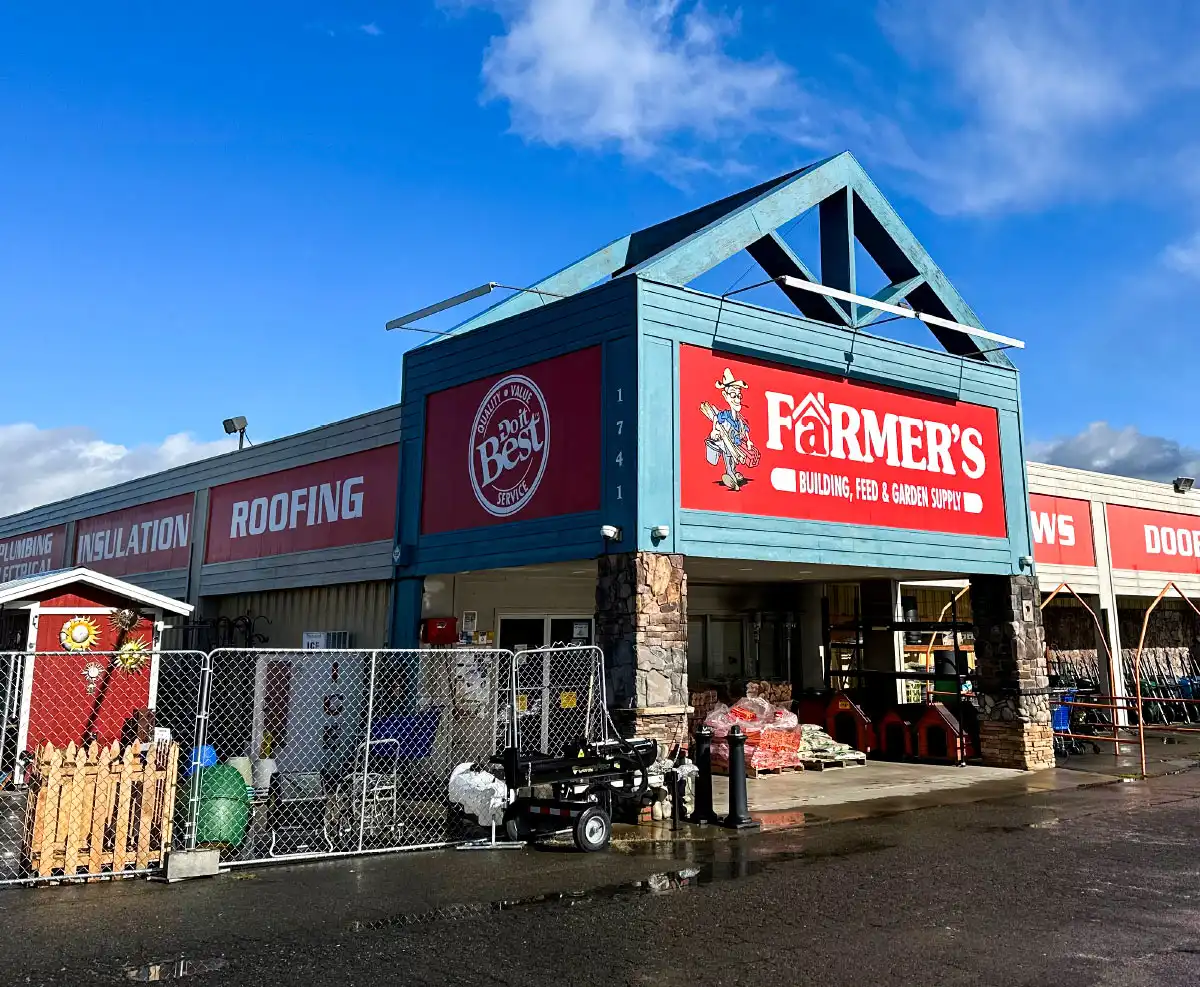
At Farmer's Building Supply, we offer a selection of building materials, hardware, plumbing supplies, insulation, and tools for your winter maintenance projects. From sealing drafts to protecting exposed pipes, having the right materials makes each task easier.
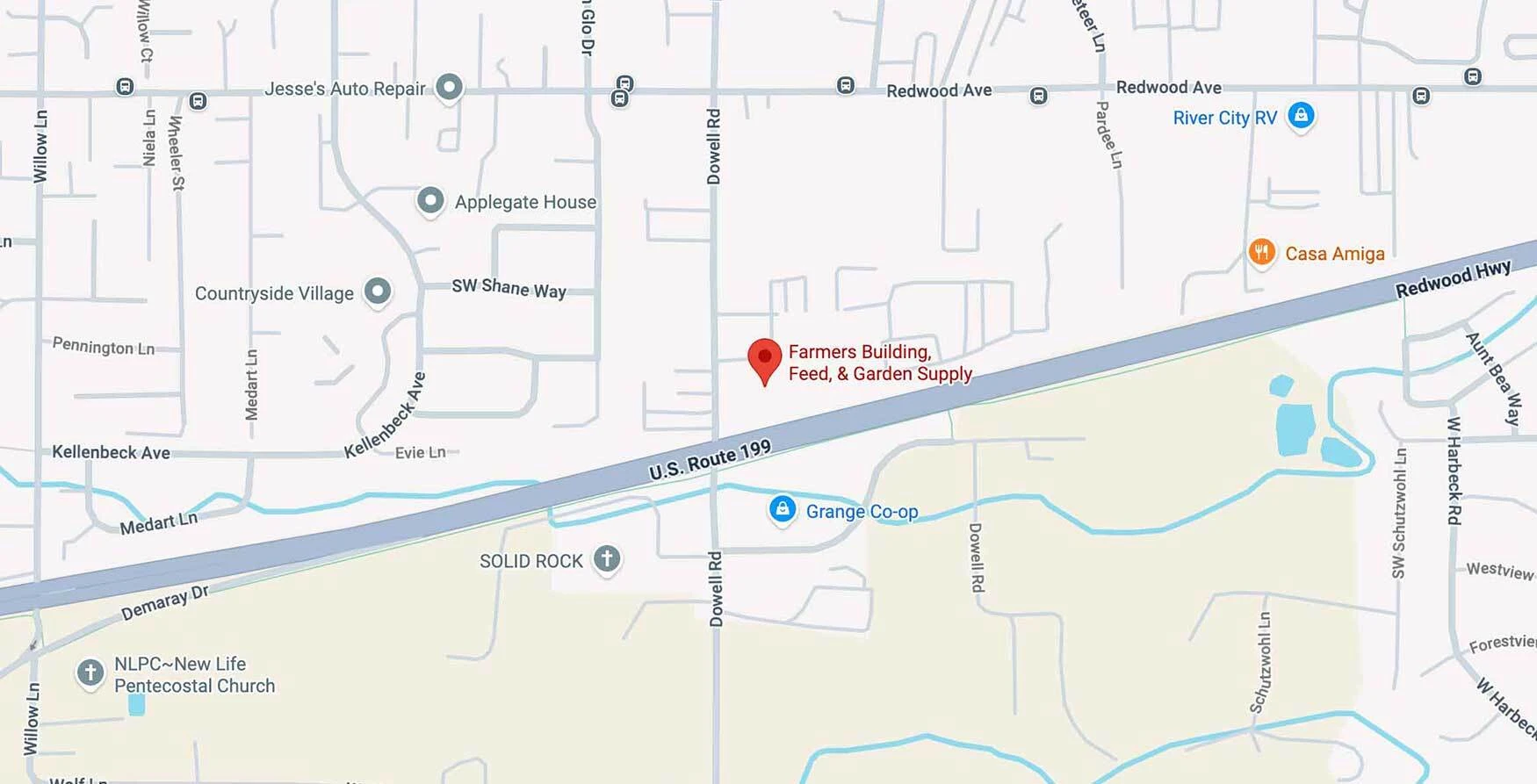
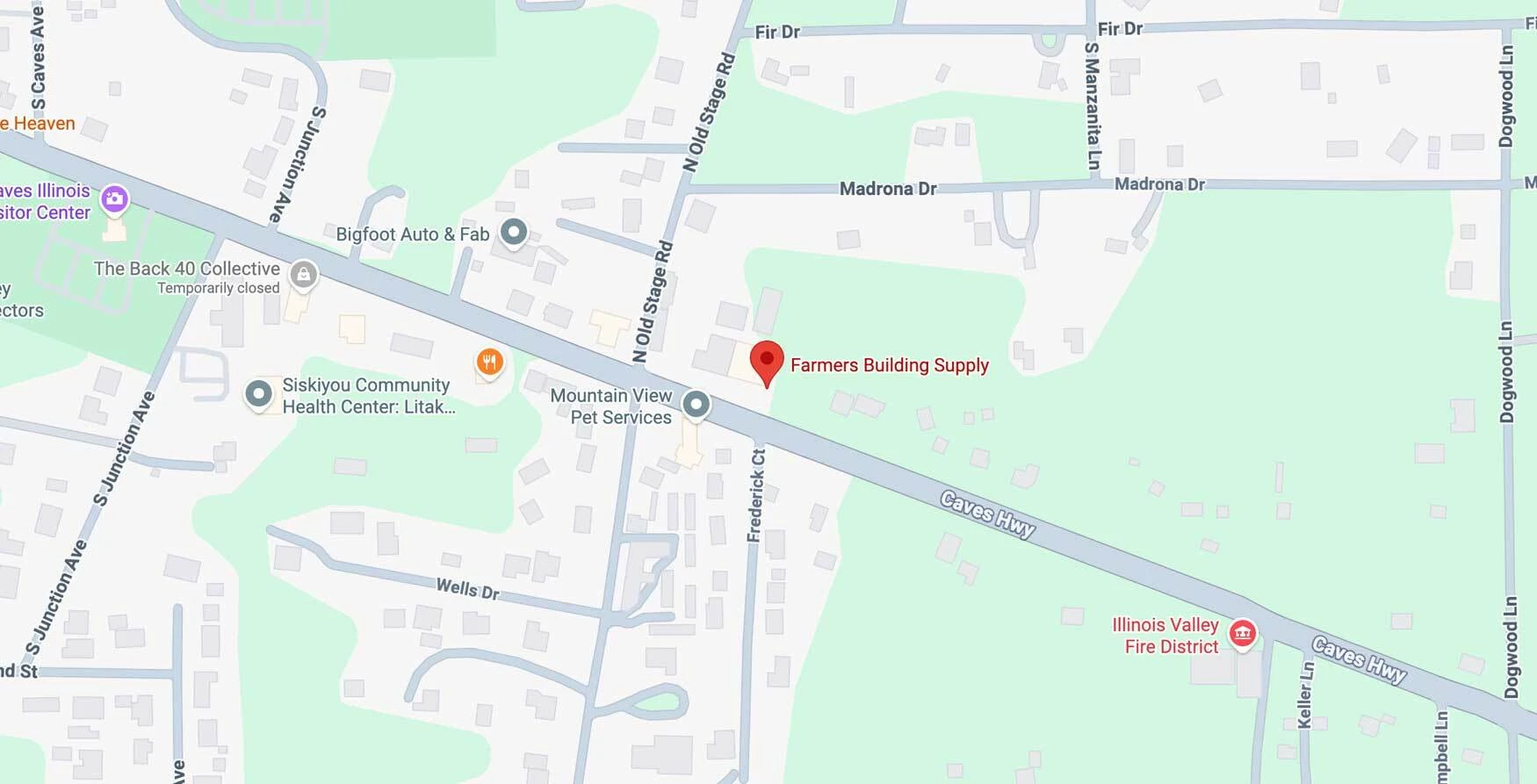
Visit us in Grants Pass or Cave Junction, or browse our website to find supplies for your winter home maintenance checklist.
Frequently Asked Questions
Should I adjust my ceiling fans during winter?
Yes. Many ceiling fans have a reverse setting that allows them to rotate clockwise at low speed, gently circulating warm air that collects near the ceiling. Check your fan's instructions to confirm the correct winter setting. This can help distribute heat more evenly throughout your living space.
How often should I test carbon monoxide detectors in winter?
Test carbon monoxide detectors at least once a month using the test button, following the manufacturer's instructions. Replace batteries when needed and check each detector's expiration date. Working detectors are especially important during winter when furnaces, fireplaces, and other fuel-burning heating appliances are used more frequently.
What emergency supplies should I keep at home during winter storms?
Keep drinking water, nonperishable food, flashlights, fresh batteries, a first-aid kit, and backup lighting in an accessible location. Include extra blankets, necessary medications, and a battery-powered weather radio. Check your emergency supplies before winter storms arrive and replace expired or damaged items.